
Fieldtrips
We are pleased to be able to offer an optional pre-conference fieldtrip departing from Edinburgh on Saturday 5th September, and travelling up to Aviemore on Sunday 6th September. In addition, the conference registration fee includes the mid-conference fieldtrip on Wednesday 9th September 2026. More details can be found below…
Pre-conference fieldtrip: Saturday 5th to Sunday 6th September 2026
An optional two-day preconference fieldtrip will start in Edinburgh city centre on Saturday morning and finish at the conference hotel in Aviemore on Sunday evening.
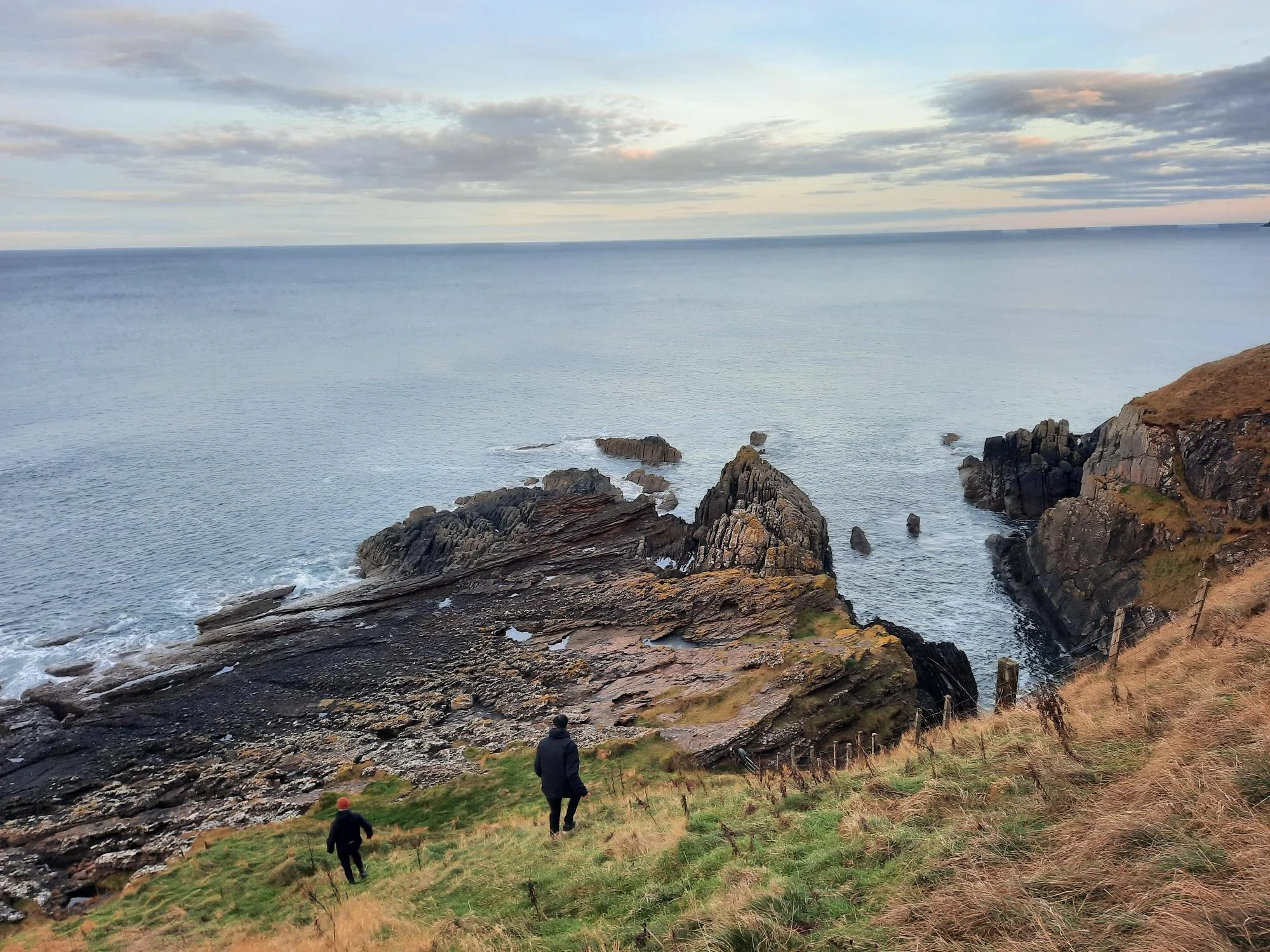
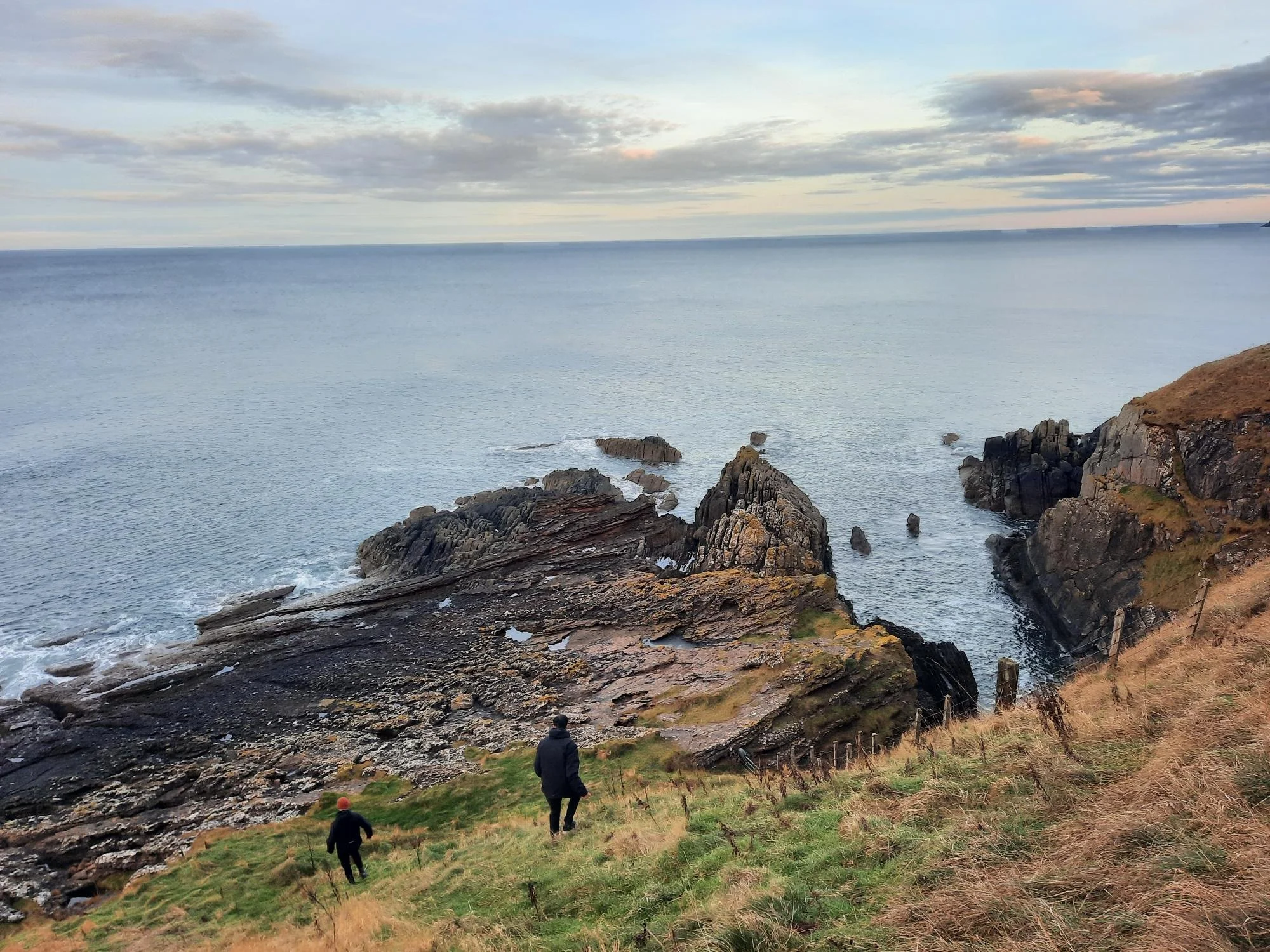
On Saturday, the fieldtrip will follow the coast from Edinburgh to the East to Siccar Point, which is famous in the history of geology for Hutton's Unconformity found in 1788, which James Hutton regarded as conclusive proof of his uniformitarian theory of geological development. The field visit will look at the evidence of the fluvial processes that shaped the uncomformity in the Devonian. The fieldtrip will then travel to Pease Bay to have a closer look at the Devonian sediment, the Old Red Sandstones, and discuss about fluvial processes before plants colonised the land. The fieldtrip will finish with a visit to North Berwick, a picturesque town on the way back to Edinburgh.
On Sunday, the fieldtrip will travel up the A9 to Aviemore, stopping at gravel bed rivers that have been the focus of research, such as the River Garry, and at sites to consider the role of fluvial processes in post-glacial landscapes. The fieldtrip will also visit the base of the Cairngorm Mountain ski area, from where delegates will be able to orientate themselves within the conference’s local geomorphological setting.
Attendees will be responsible for booking their own accommodation in Edinburgh on the Saturday night to attend this fieldtrip. Attendees will also need to bring their own lunches and refreshments. Travel will be by coach.
Cost: £55 (not including accommodation; limited numbers - first come first served)
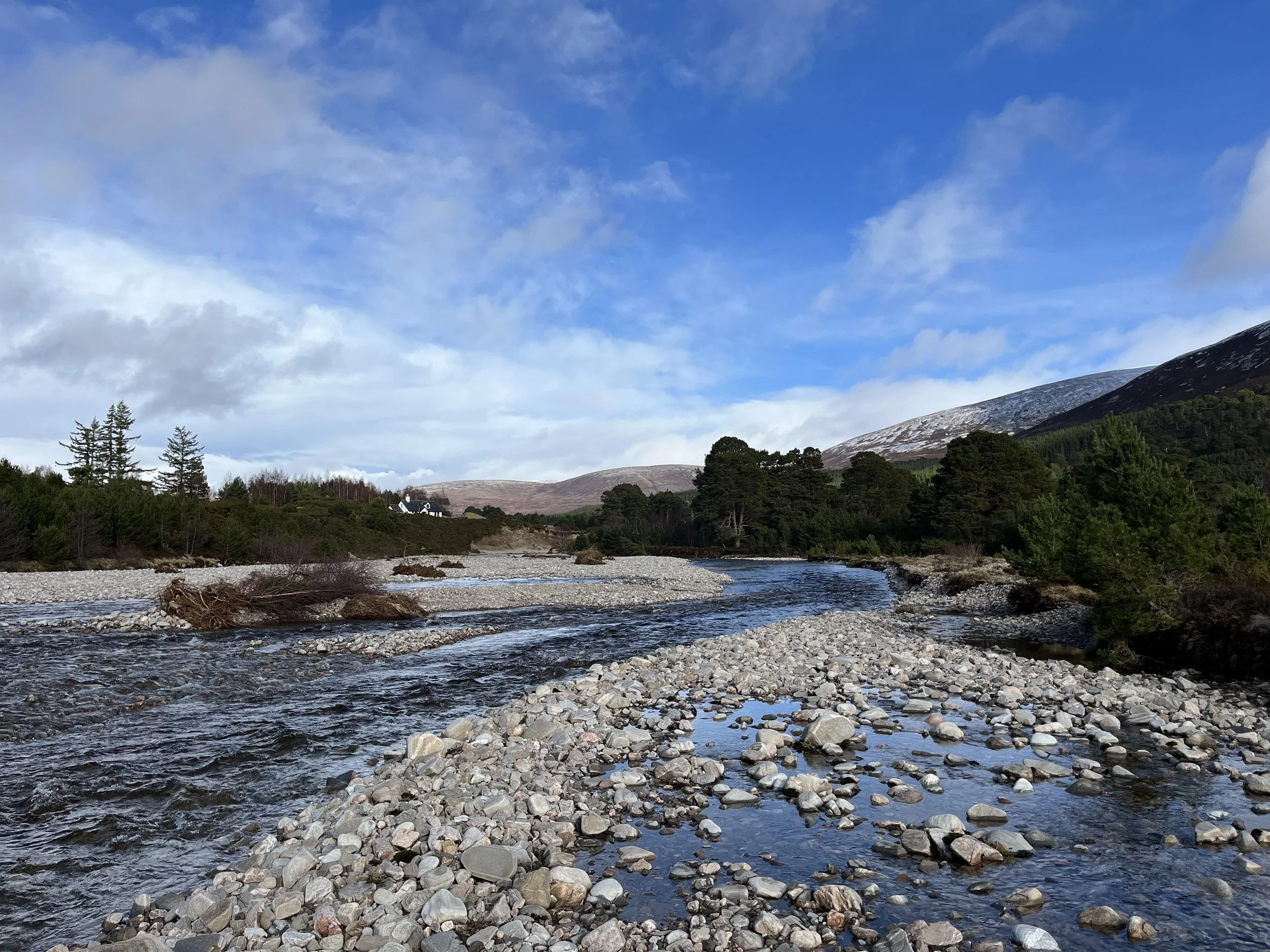
1. River rewilding and monitoring technologies: River Feshie
Mid-conference fieldtrips: Wednesday 9th September 2026
Mid-conference fieldtrip cost is included in the registration fee
As part of the conference, delegates can attend one of three mid-conference fieldtrips. Each fieldtrip will involve coach travel and lunch will be supplied. During conference registration, delegates will be able to indicate thier order of preference for each fieldtrip.
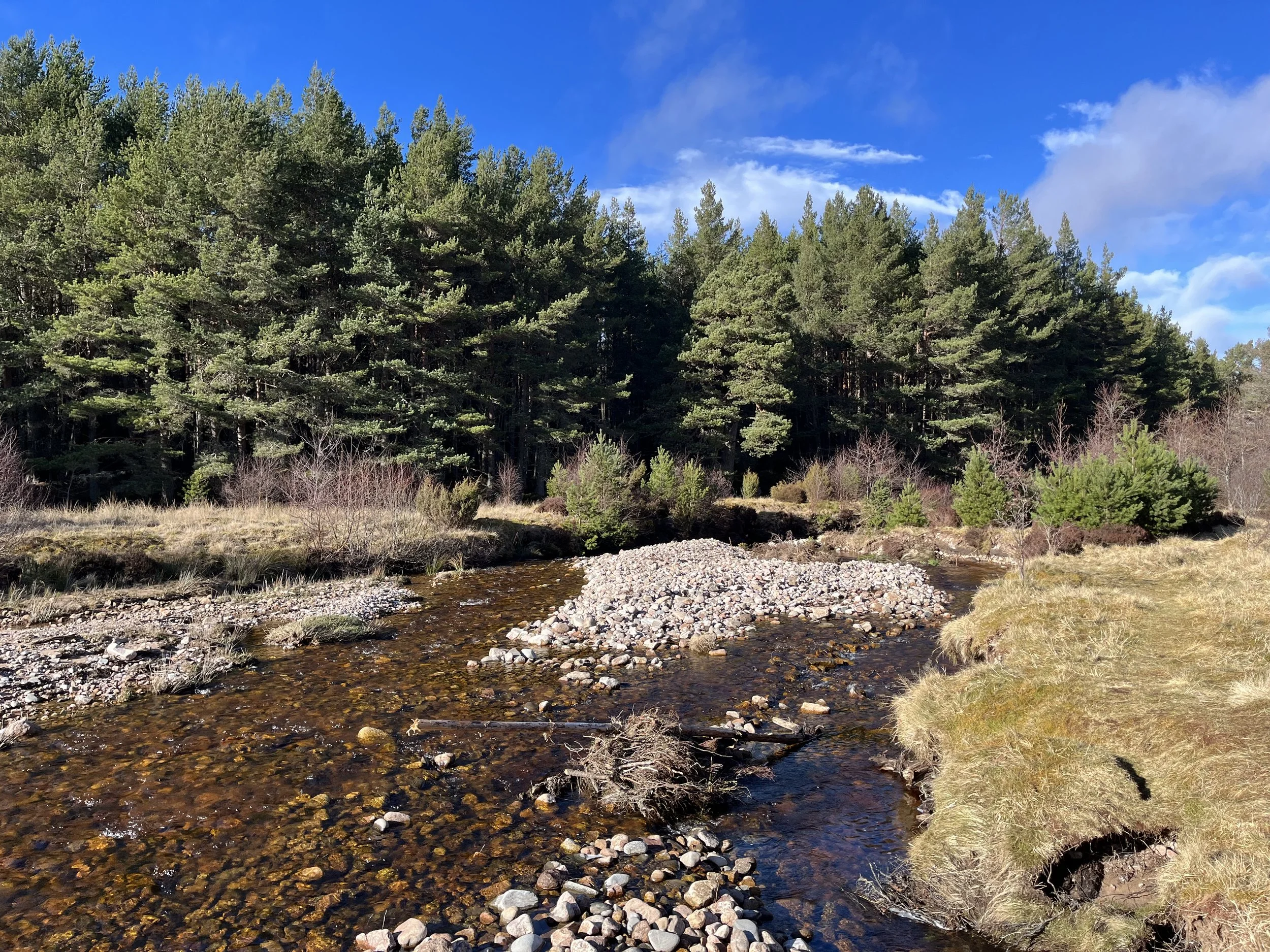
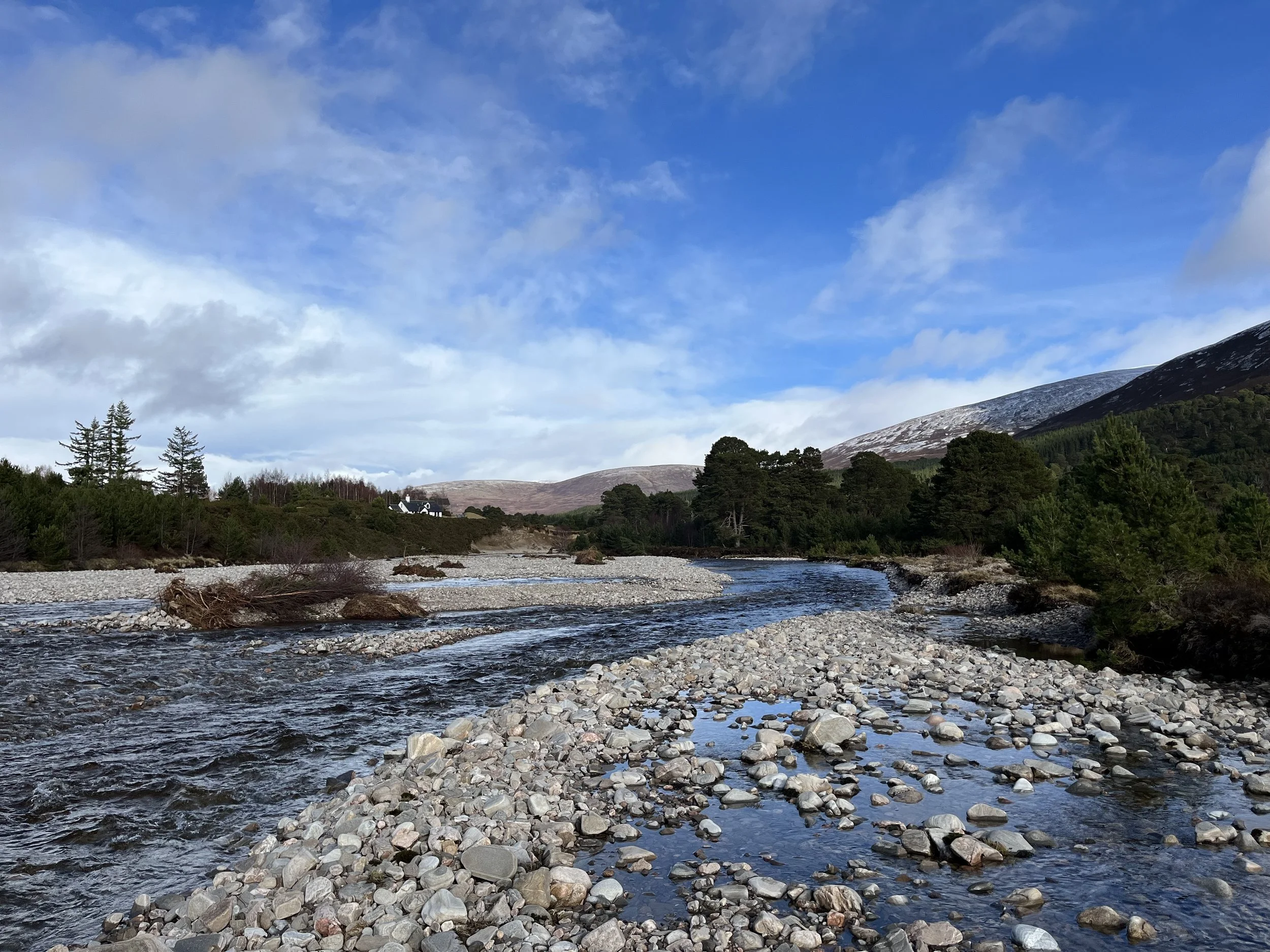
The River Feshie is iconic in British fluvial geomorphology as a test-bed for a range of techniques to quantify bedload transport, including topographic remote sensing from the land and air, and hydroacoustic and seismic remote sensing. The catchment and river are also being monitored to understand the hydrological and geomorphological effects of catchment-scale changes in vegetation cover in response to deer management across the Feshie and neighbouring catchments. This fieldtrip will visit the upper Feshie catchment’s braided reaches to discuss these topics.
2. Working with nature in river restoration: Allt Lorgy and River Nairn
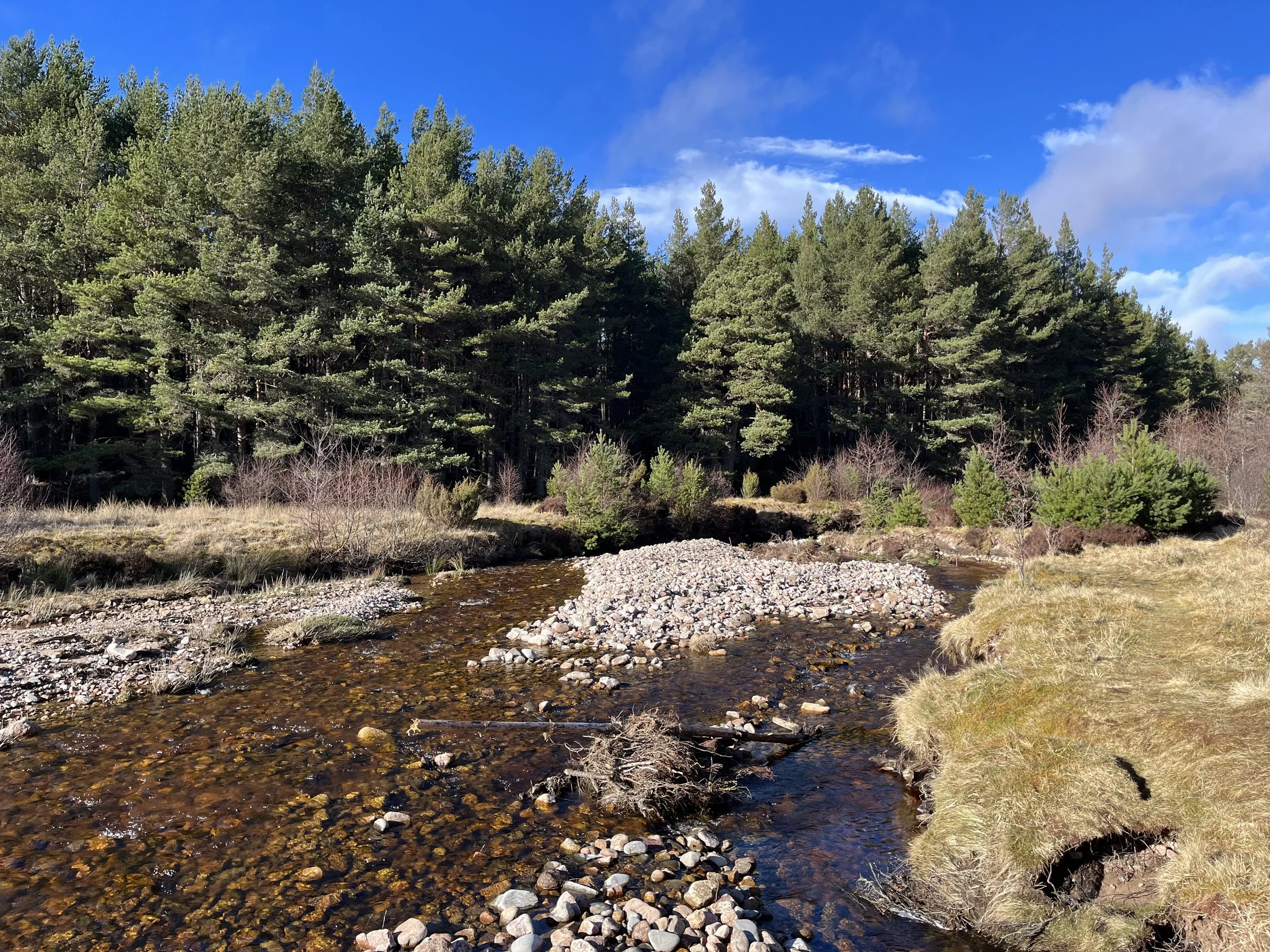
A number of gravel-bed rivers in Scotland have been restored using process-based approaches. This fieldtrip will visit several rivers that have been restored in the last decade and include discussion on scheme design, multi-year topographic and physical habitat monitoring, the use of large wood, and decadal-scale post-restoration geomorphological change. The Allt Lorgy restoration project removed embankments and bank erosion protection to enable a reach to “self-heal”; considerable dynamism is evident since 2012, including channel avulsion and the growth of floodplain woodland. The River Nairn restoration project realigned the river to a meandering course; post-restoration monitoring has included repeat topographic and spawning surveys, revealing increases in habitat diversity.
3. Understanding transport processes: River Garry and Allt Dubhaig
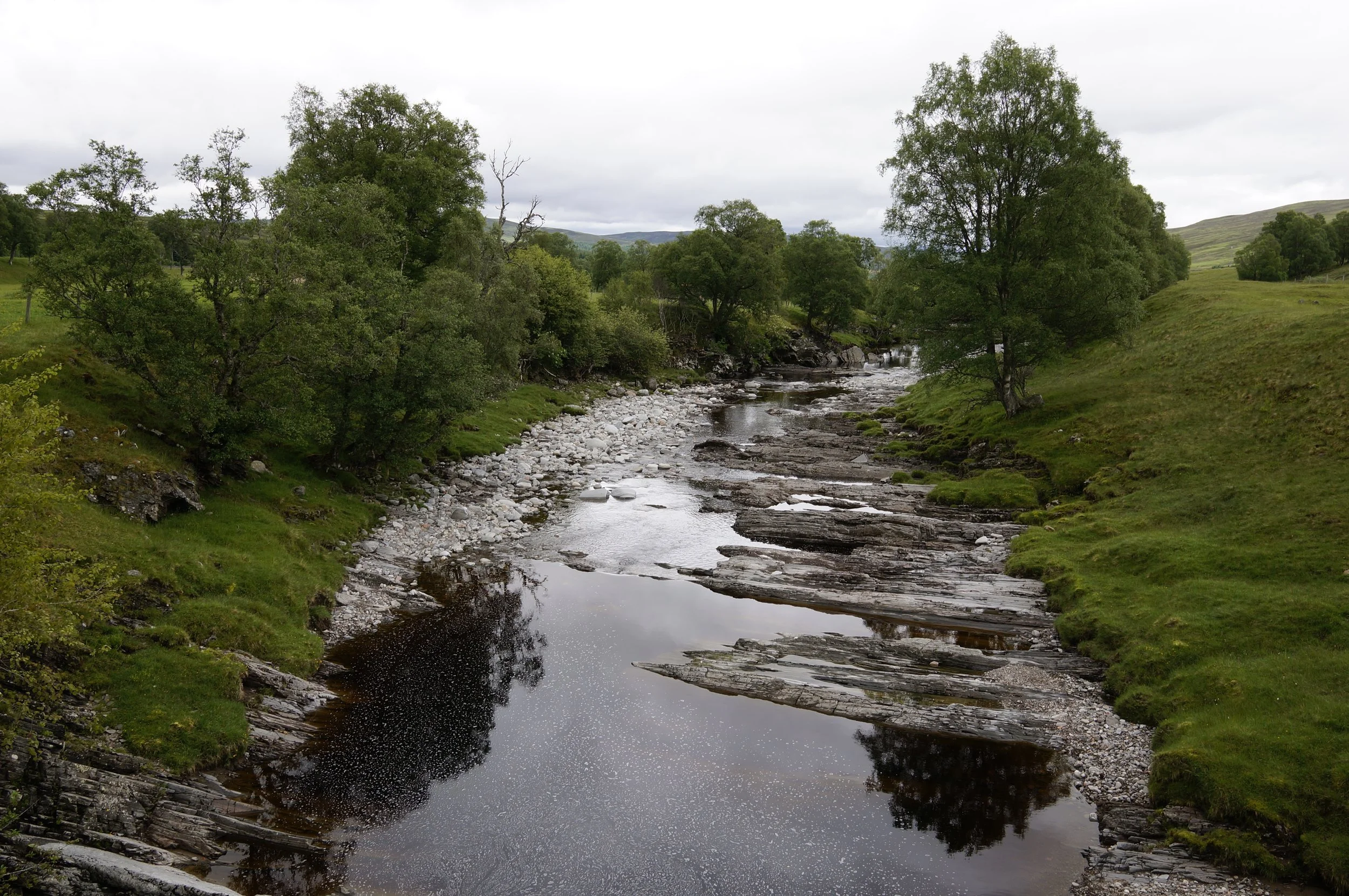
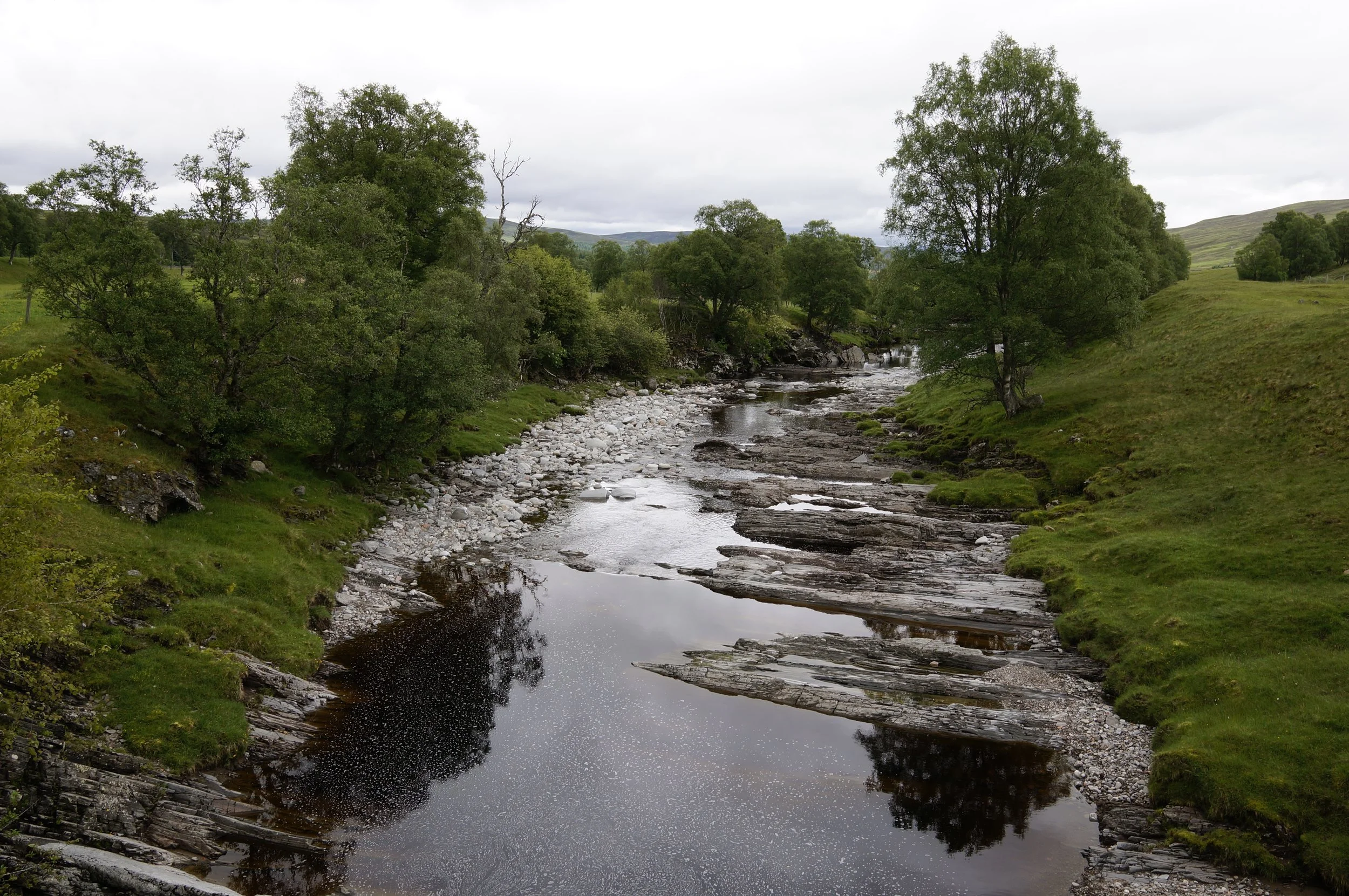
This fieldtrip will visit two contrasting rivers. One is a mixed bedrock-alluvial reach of the River Garry, where there will be discussion about the influence of bedrock river morphology and alluvial cover on gravel entrainment, transport and deposition. The other is the Allt Dubhaig. This is a river that shows strong downstream fining and a gravel-sand transition, and has been the site of key research into the sediment transport processes that produce these two phenomena. Delegates who attend the pre-conference fieldtrip will also visit these sites, so they should not register for this trip.